Machine Learning Risk Prediction for Treated Retinopathy of Prematurity in Infants.
Date
2026-01
Journal Title
Journal ISSN
Volume Title
Repository Usage Stats
views
downloads
Citation Stats
Attention Stats
Abstract
Introduction
Retinopathy of prematurity (ROP) is a leading cause of childhood blindness. However, current screening guidelines may be overly broad, necessitating better models to detect high-risk infants.Methods
From a multicenter cohort of 103,701 infants (3,301 [3.2%] treated for ROP) discharged from 298 neonatal intensive care units from 2006 to 2017 with birth weight ≤1,500 grams or gestational age ≤30 weeks, we used clinically relevant variables to develop machine learning (ML) models at 2-week intervals from postnatal day 14 to 98 to stratify infants by ROP treatment timing. We assessed model performance by concordance index, area under the receiver operating characteristic curve (AUROC), and average precision (AP), validated performance in a cohort of 25,105 infants across 231 sites from 2018 to 2020, and compared model performance to a logistic regression (LR) model.Results
In the validation cohort, the day 28 ML model outperformed the LR model by AUROC (0.916 [0.905-0.926] vs. 0.903 [0.892-0.914]; p < 0.001) and AP (0.190 [0.167-0.217] vs. 0.160 [0.140-0.183]; p < 0.001). Using the ML model at a 100% sensitivity threshold would have negative predictive value of >99.9% and could reduce the number of infants needing screening by 14% compared to current guidelines.Conclusion
ML models can effectively predict the need for ROP treatment and stratify infants by risk, potentially reducing unneeded screening. Future work is needed to translate model-based ROP predictions to the clinical setting.Type
Department
Description
Provenance
Subjects
Citation
Permalink
Published Version (Please cite this version)
Publication Info
Foote, Henry P, Yanchen J Ou, Suchir Bhatt, Matthew M Engelhard, Leonid Bederman, Matthew M Laughon, Kanecia O Zimmerman, Rishikesan Kamaleswaran, et al. (2026). Machine Learning Risk Prediction for Treated Retinopathy of Prematurity in Infants. Neonatology, 123(2). pp. 200–208. 10.1159/000549574 Retrieved from https://hdl.handle.net/10161/35559.
This is constructed from limited available data and may be imprecise. To cite this article, please review & use the official citation provided by the journal.
Collections
Endorsement
Review
Supplemented By
Referenced By
Scholars@Duke

Matthew M. Engelhard
Developing new machine learning methods for multi-modal longitudinal clinical data to support clinical decision-making.

Kanecia Obie Zimmerman

Rishi Kamaleswaran
My research focuses on the application of artificial intelligence, machine learning, and data analytics in healthcare, particularly in critical care and perioperative medicine; and cystic fibrosis. I have published numerous papers on the development of predictive models for sepsis, acute respiratory distress syndrome, and other critical conditions. My work utilizes large datasets, electronic health records, and physiological waveform analysis to improve patient outcomes. I have also explored the use of deep learning techniques for disease diagnosis and prediction, including the detection of cardiac arrhythmias and Parkinson's disease. Additionally, my research has investigated the potential of wearable sensors and remote patient monitoring to enhance healthcare delivery. Through collaborations with clinicians and researchers, I have validated and translated my models into clinical practice. Overall, my goal is to leverage data-driven approaches to transform healthcare and improve patient care.

Rachel Gottron Greenberg
Rachel G. Greenberg, MD, MB, MHS is a neonatologist and Professor of Pediatrics at Duke University Medical Center and Duke Clinical Research Institute. Dr. Greenberg’s research focuses on improving safety and efficacy of drugs in infants and children, particularly through her efforts as a Principal Investigator and Steering Committee Chair for the NICHD-funded Pediatric Trials Network. She is also alternate PI of the North Carolina clinical Center for the Neonatal Research Network and PI of the NICHD-funded HEAL KIDS Pain Resource and Data Center. In addition, she has been principal investigator of multiple trials funded by the U.S. Food and Drug Administration, Centers for Disease Control, and National Institutes of Health.

Christoph Paul Vincent Hornik

Ricardo Henao
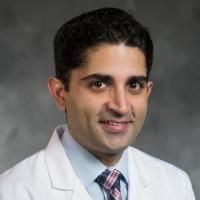
Karan Ravindra Kumar
I am an Assistant Professor of Pediatrics and a Pediatric Critical Care Physician at Duke University School of Medicine, and I am also affiliated with the Duke Clinical Research Institute (DCRI). My research focuses on advancing pediatric healthcare through the integration of biostatistics, clinical research informatics, and data science. I have significant experience managing large datasets, including the Pediatrix Medical Group Clinical Data Warehouse and the NICHD-funded Pediatric Trials Network, which have provided vital insights into disease patterns and pediatric drug labeling. I contribute analytical support to various pediatric research initiatives. My efforts extend to exploring automation of data integration in clinical trials, enhancing research infrastructure, and leading critical trials and registries to improve pediatric health outcomes. I am enthusiastic about applying my expertise in biostatistics, database management, and predictive analytics to future projects.

Unless otherwise indicated, scholarly articles published by Duke faculty members are made available here with a CC-BY-NC (Creative Commons Attribution Non-Commercial) license, as enabled by the Duke Open Access Policy. If you wish to use the materials in ways not already permitted under CC-BY-NC, please consult the copyright owner. Other materials are made available here through the author’s grant of a non-exclusive license to make their work openly accessible.